















The Ultimate Pergola Buying Guide: Everything You Need to Know Before You Buy

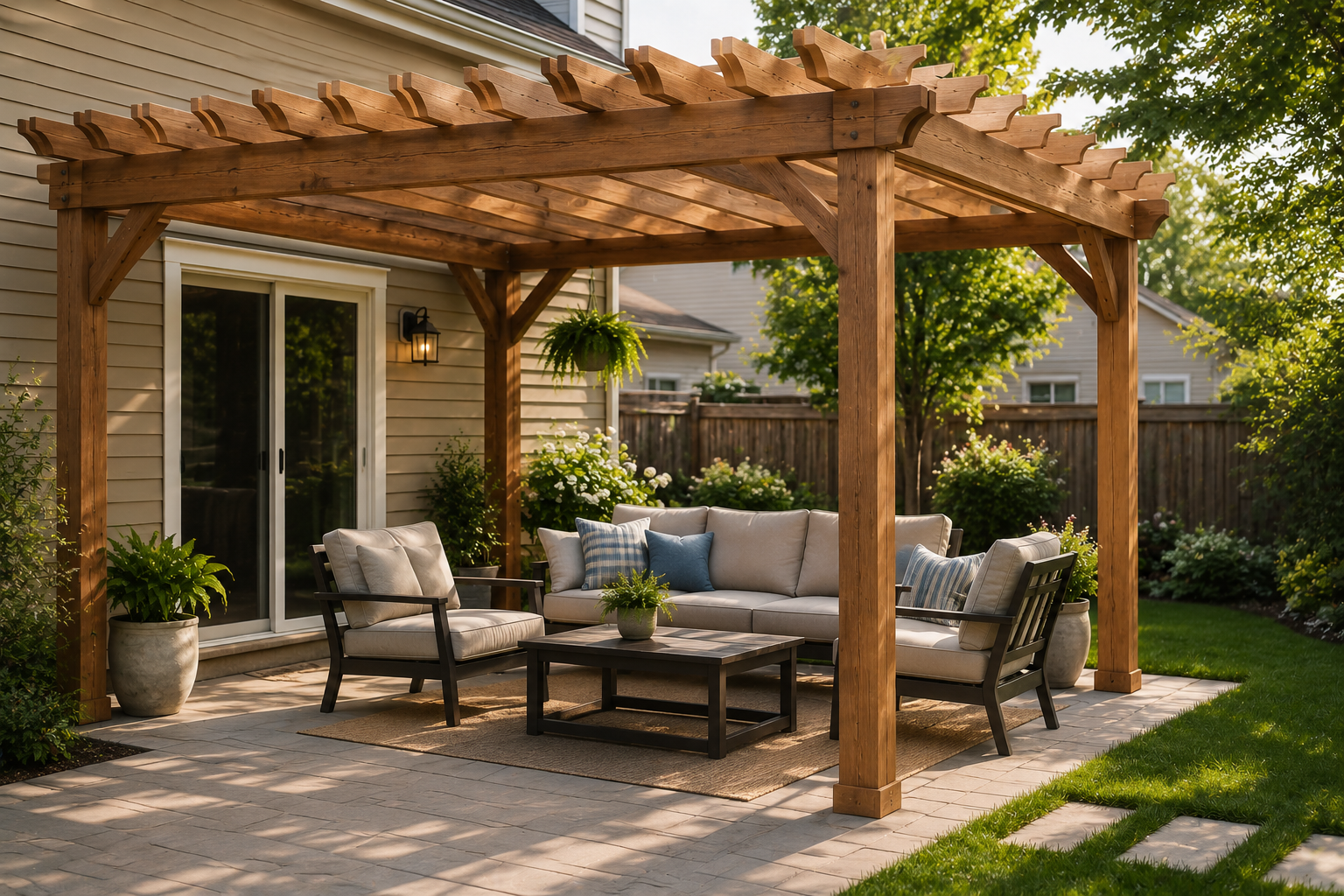
A pergola can completely transform an ordinary backyard into a stylish and functional outdoor living space. Whether you’re creating a relaxing retreat, an outdoor dining area, or a place to entertain family and friends, the right pergola provides shade, structure, and lasting value.
With so many styles, materials, sizes, and features available, choosing the right pergola can feel overwhelming. This guide walks you through everything you need to know before making your investment, from selecting the best material to choosing the perfect size for your outdoor space.
By the end of this guide, you’ll understand which pergola is right for your home, lifestyle, and budget.
Table of Contents
- Why Buy a Pergola?
- Types of Pergolas
- Wood vs. Metal Pergolas
- Choosing the Right Size
- Roof Styles Explained
- Where Should You Install a Pergola?
- Features Worth Considering
- DIY vs. Professional Installation
- Pergola Maintenance
- Frequently Asked Questions
- Final Thoughts
Why Buy a Pergola?
Pergolas have become one of the most popular backyard improvements because they create an inviting outdoor living area without the cost of building a fully enclosed structure.
Benefits include:
- Creates defined outdoor living spaces
- Adds visual appeal to your backyard
- Provides partial shade and comfort
- Supports climbing plants and lighting
- Increases usable outdoor living space
- May improve curb appeal and property value
Whether placed over a patio, deck, outdoor kitchen, or garden path, a pergola adds both function and character to your landscape.
Types of Pergolas
Not all pergolas are built the same. Understanding the different styles helps narrow your options.
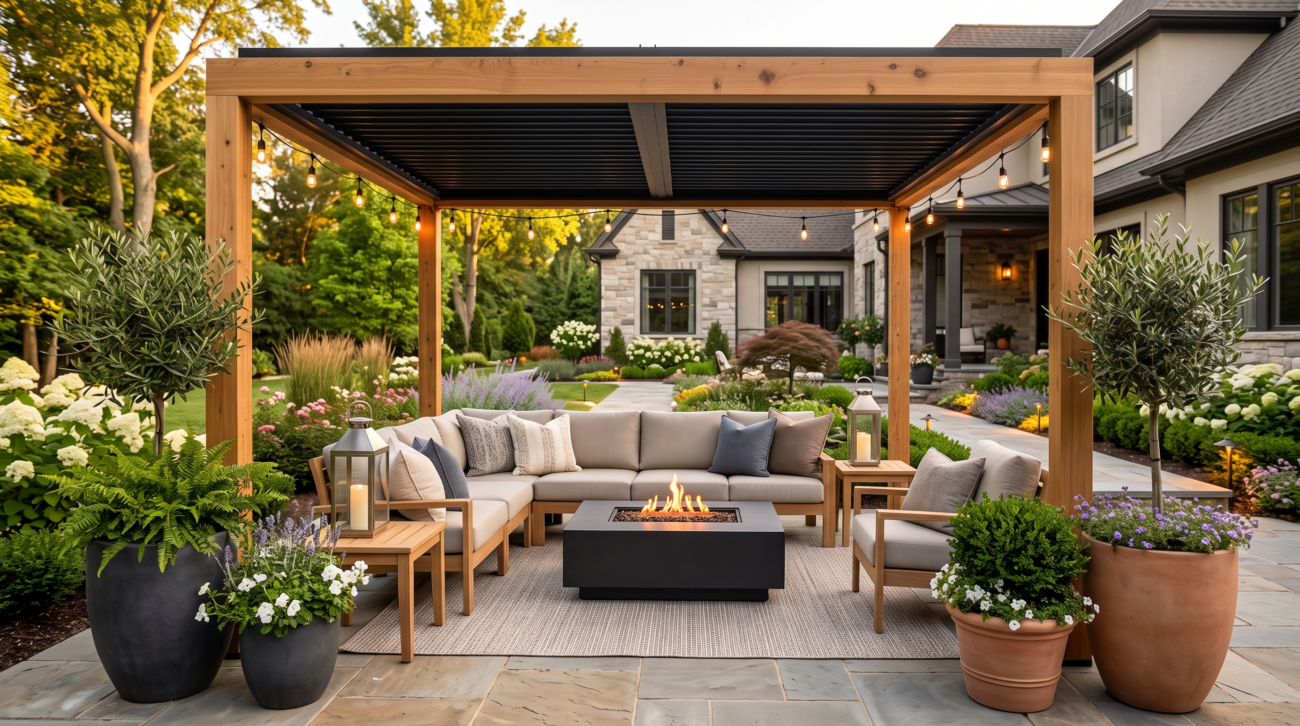
Freestanding Pergolas
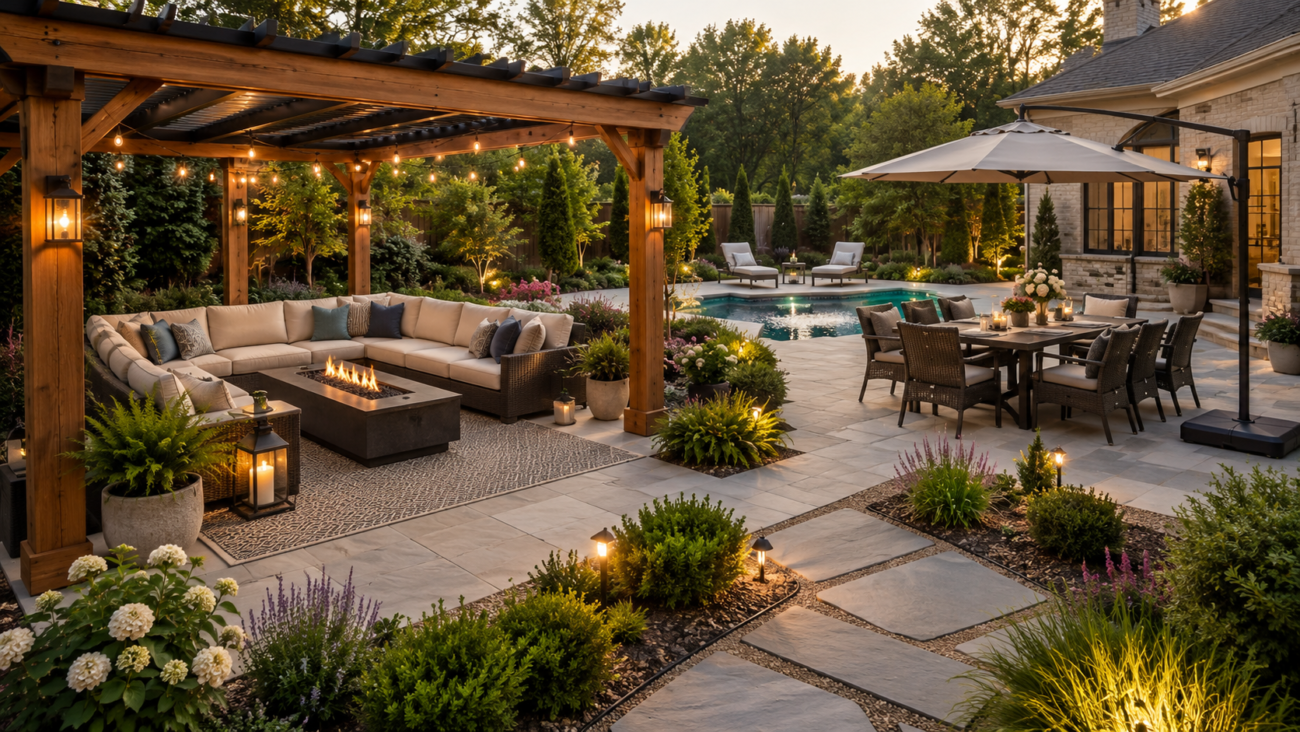
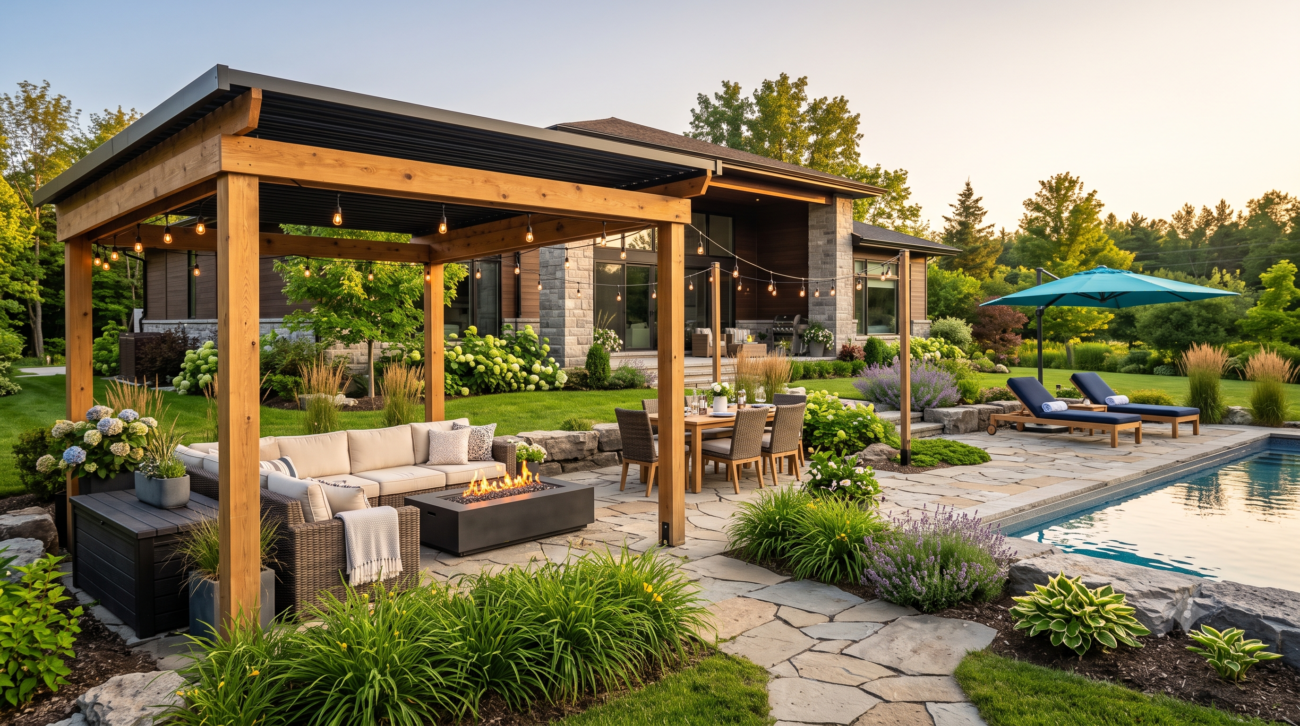
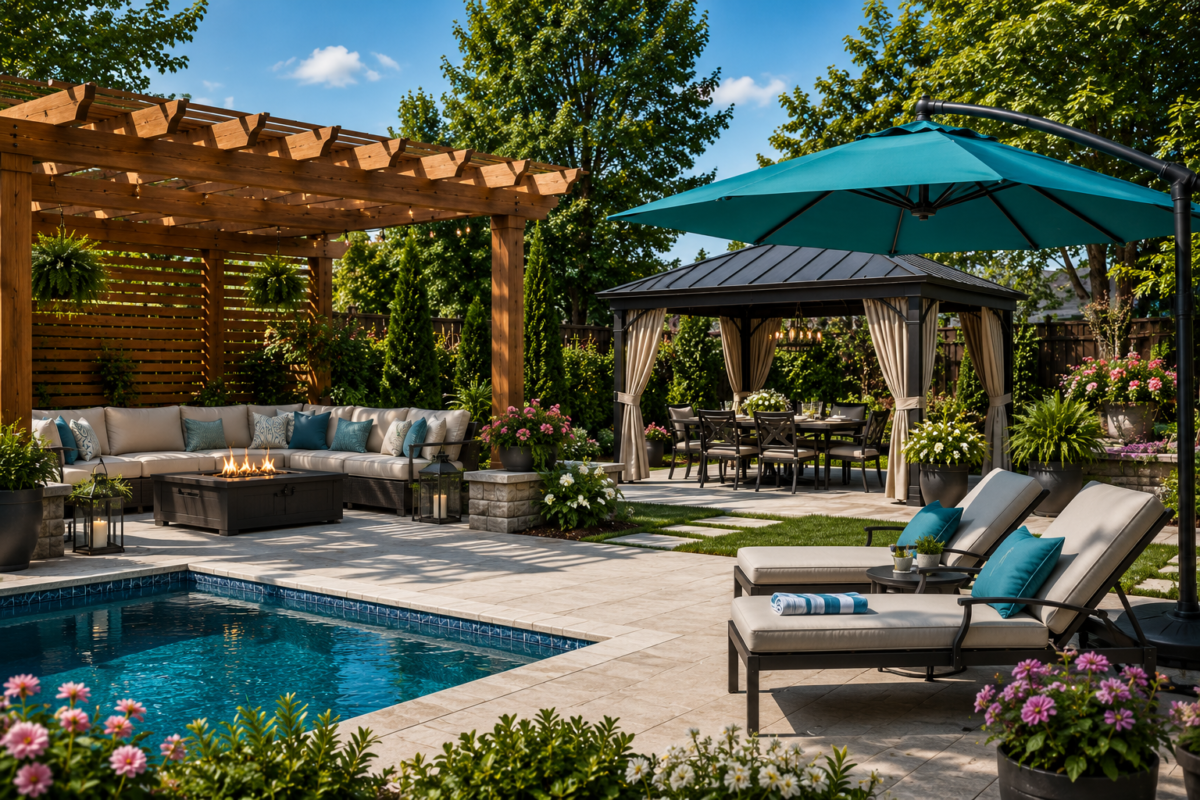
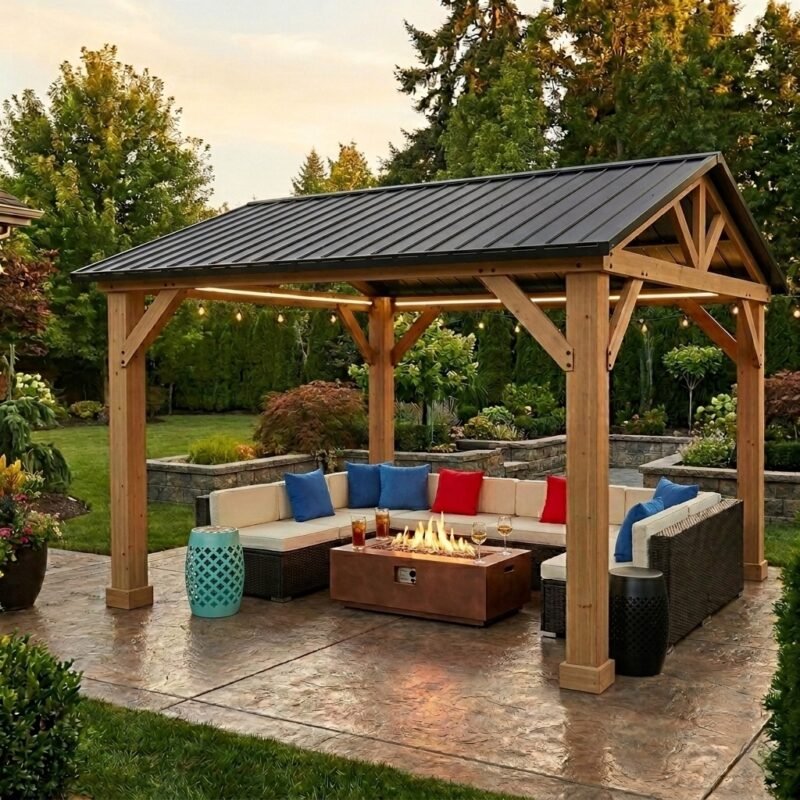
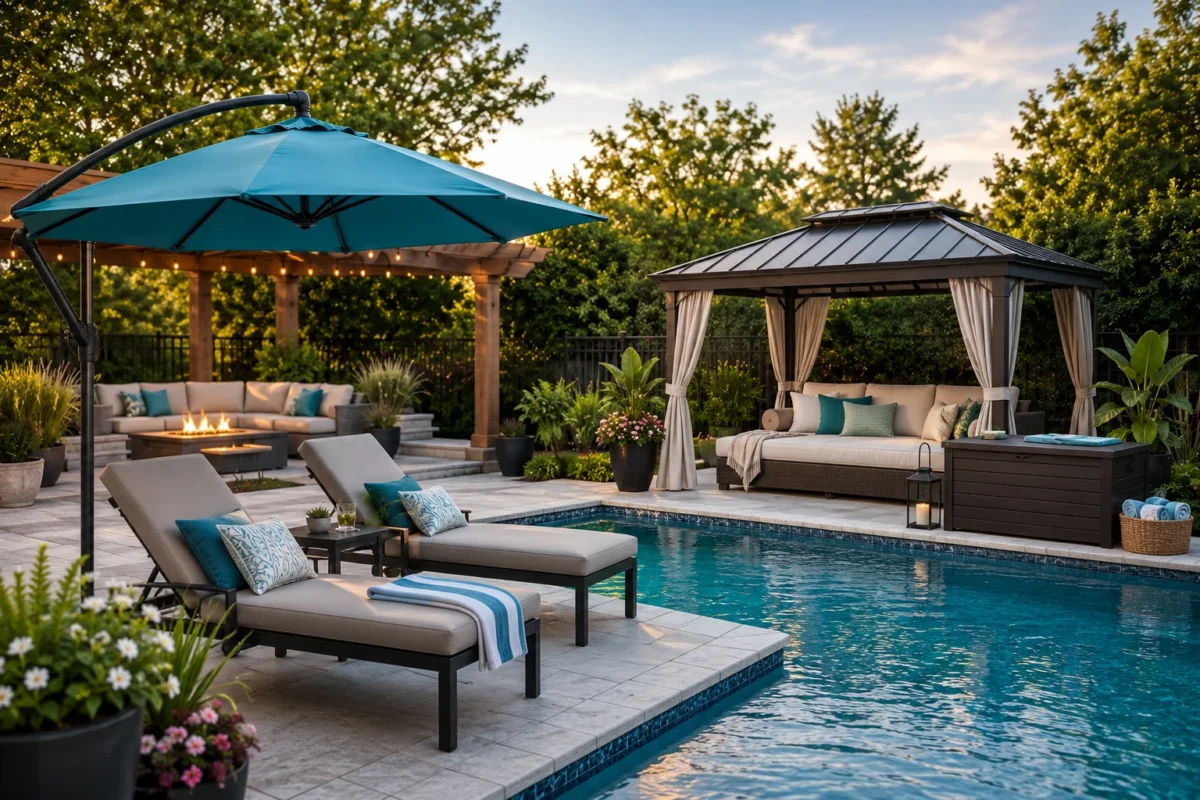
Freestanding pergolas can be placed almost anywhere in your yard, making them ideal for patios, pools, fire pit seating areas, or gardens.
Best for:
- Large backyards
- Poolside seating
- Outdoor dining
- Entertainment spaces
Attached Pergolas
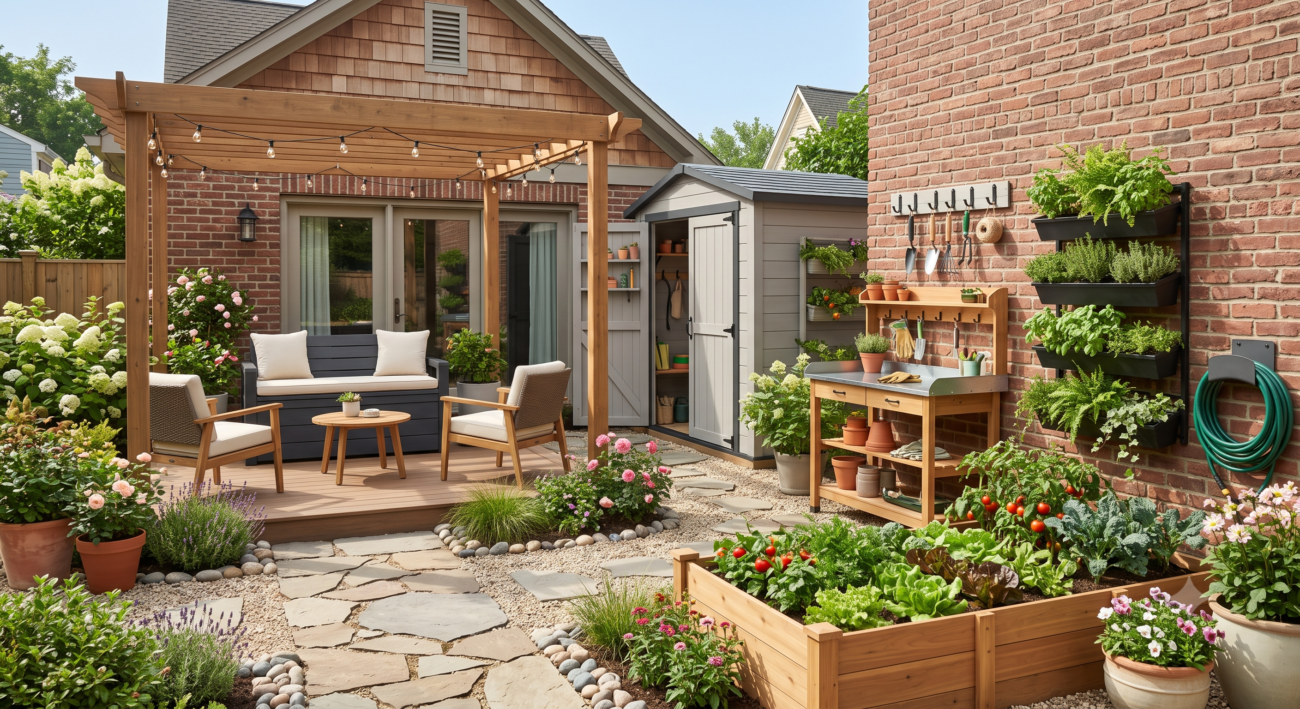
Attached pergolas connect directly to your home, extending your outdoor living area while creating a seamless transition between indoor and outdoor spaces.
Best for:
- Patios
- Decks
- Outdoor kitchens
- Covered seating areas
Wood vs. Metal Pergolas
One of the biggest decisions you’ll make is choosing the right material.
Wood Pergolas
Wood offers timeless beauty and a warm, natural appearance that complements traditional and rustic homes.
Pros:
- Classic aesthetic
- Can be stained or painted
- Natural appearance
- Strong and durable
Considerations:
- Requires periodic sealing or staining
- Needs occasional maintenance
- Weather exposure can affect longevity if not maintained
Metal Pergolas
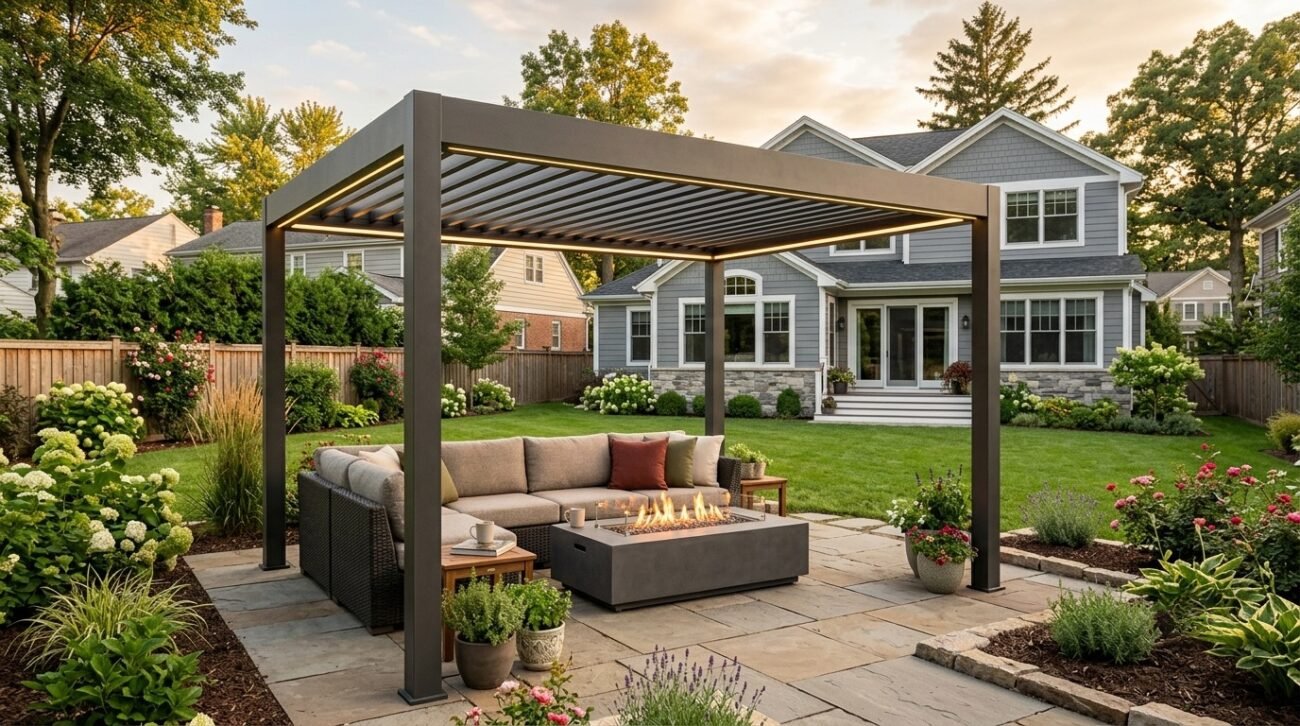
Metal pergolas provide a clean, modern look with minimal upkeep.
Pros:
- Low maintenance
- Rust-resistant powder-coated finishes
- Modern design
- Excellent durability
Considerations:
- Typically heavier
- Fewer customization options than wood
Choosing the Right Size
Selecting the proper size ensures your pergola complements your outdoor space instead of overwhelming it.
💡 EverPlay Tip: Leave at least 3 feet of clearance around your pergola whenever possible. This provides comfortable walking space, makes furniture easier to arrange, and keeps the area from feeling cramped.
Small Pergolas (8′ x 8′ to 10′ x 10′)
Ideal for:
- Small patios
- Garden seating
- Hot tubs
Medium Pergolas (10′ x 12′ to 12′ x 16′)
Perfect for:
- Outdoor dining sets
- Conversation seating
- Medium-sized patios
Large Pergolas (12′ x 20′ and larger)
Best for:
- Outdoor kitchens
- Multiple seating areas
- Entertainment spaces
- Large backyards
Before purchasing, measure both the available footprint and the surrounding clearance to ensure enough room for furniture and comfortable movement.
Roof Styles Explained
Different roof designs provide varying amounts of shade and flexibility.
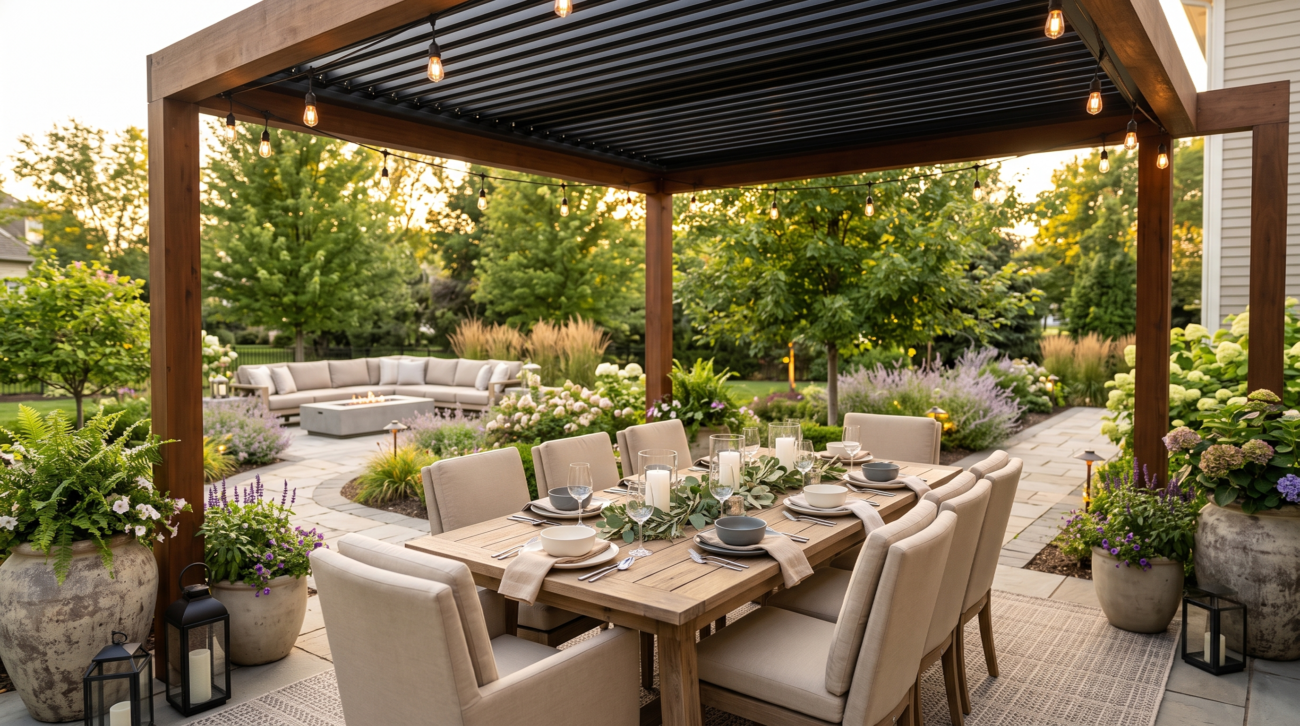
Open Slat Roof
Offers filtered sunlight while maintaining an open, airy feel.
Louvered Roof
Adjustable louvers let you control sunlight, airflow, and light rain protection.
Canopy Pergolas
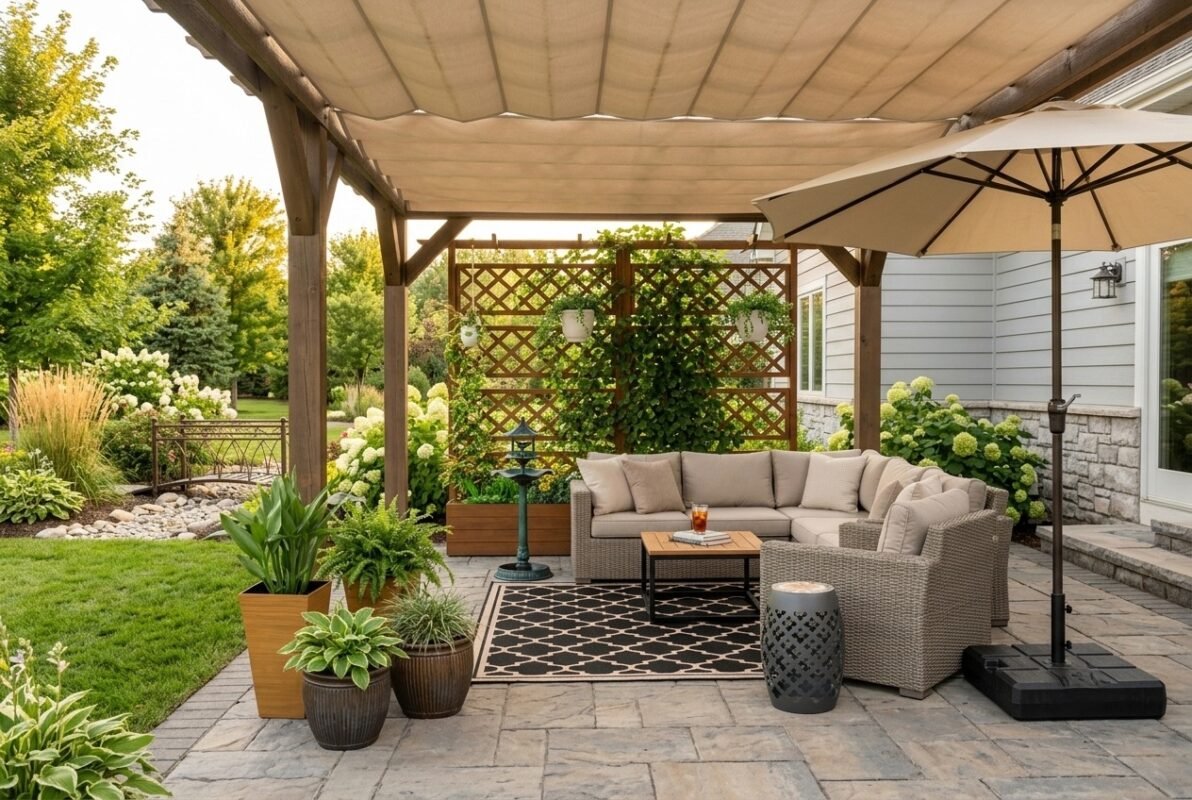
Fabric canopies provide additional shade and can often be retracted when desired.
Hardtop Pergolas
Solid roofs offer the greatest protection from sun and light rain while extending outdoor usability.
Where Should You Install a Pergola?
Popular locations include:
- Backyard patios
- Poolside lounging areas
- Outdoor kitchens
- Garden pathways
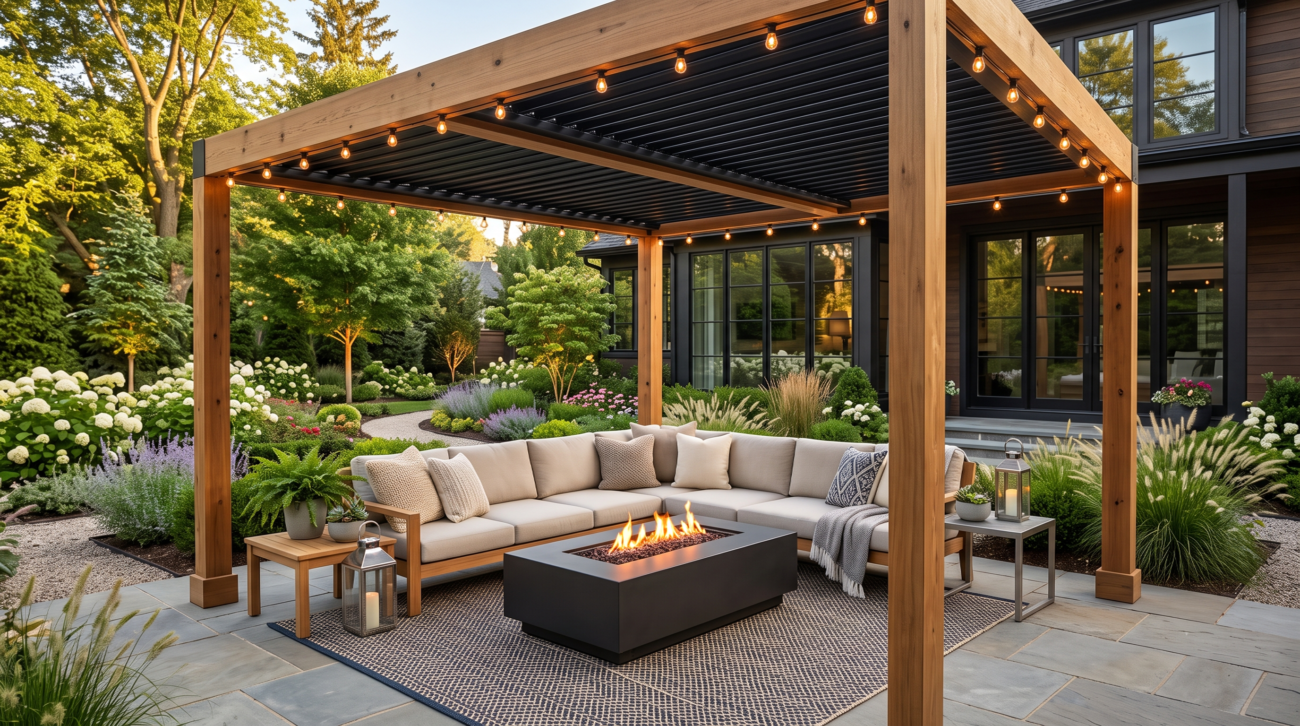
- Fire pit seating areas
- Decks
- Dining spaces
Think about how the sun moves across your yard throughout the day. Positioning your pergola to provide shade during the hottest afternoon hours can make your outdoor space significantly more comfortable.
Features Worth Considering
Today’s pergolas offer more than just shade.
Popular features include:
- Integrated privacy curtains
- Mosquito netting
- Built-in LED lighting
- Adjustable louvers
- Anchoring systems
- Weather-resistant finishes
- Decorative post designs
These features can extend the usability of your pergola throughout the day and across multiple seasons.
DIY vs. Professional Installation
Many pergolas are designed for homeowner assembly with clear instructions and pre-drilled components.
⚠ Before You Buy
Check with your local municipality or HOA to determine whether permits or approval are required before installing a permanent pergola.
DIY may be a good option if you
- Have basic tools
- Can recruit an extra set of hands
- Feel comfortable following assembly instructions
Professional installation may be worthwhile for:
- Larger pergolas
- Heavy steel structures
- Complex site preparation
- Permanent anchoring requirements
Pergola Maintenance
Routine care helps keep your pergola looking its best.
Wood pergolas:
- Inspect annually for wear
- Re-stain or seal as needed
- Tighten hardware periodically
Metal pergolas:
- Wash occasionally with mild soap and water
- Inspect fasteners annually
- Touch up scratches if needed to help prevent corrosion
Keeping the area around your pergola clean and free of debris also helps prolong its appearance and lifespan.
Frequently Asked Questions
Do pergolas provide complete shade?
Traditional pergolas provide partial shade through their open-roof design. Models with canopies or louvered roofs can offer significantly more sun protection.
Can a pergola stay outside year-round?
Most quality wood and powder-coated metal pergolas are designed for year-round outdoor use when properly maintained.
What’s the best material for a pergola?
Wood is ideal for homeowners who prefer a natural look and don’t mind occasional maintenance. Metal is an excellent choice for those seeking a modern appearance with lower maintenance.
Does a pergola increase home value?
A well-designed pergola can enhance curb appeal and make outdoor living spaces more attractive to potential buyers, though the exact impact varies by market and installation quality.
Do I need a permit to install a pergola?
Permit requirements vary by municipality and the size or type of pergola. Check with your local building department before installation.
Final Thoughts
A pergola is more than just a backyard structure—it’s an investment in how you enjoy your outdoor space. Whether you’re hosting gatherings, relaxing with family, or creating a peaceful retreat, the right pergola can become the centerpiece of your backyard.
By considering your available space, preferred material, desired features, and long-term maintenance needs, you’ll be well equipped to choose a pergola that complements your home and supports years of outdoor enjoyment.
Related Articles
- Pergola vs. Gazebo: Which Is Right for Your Outdoor Space?
- How to Create the Ultimate Backyard Entertainment Space
- Top 7 Backyard Upgrades That Add Value to Your Home
Related Categories
- Pergolas
- Gazebos
- Outdoor Patio Furniture
- Fire Pits & Outdoor Heating
- Outdoor Storage