



















Greenhouse Buying Guide: How to Choose the Right Greenhouse for Your Backyard

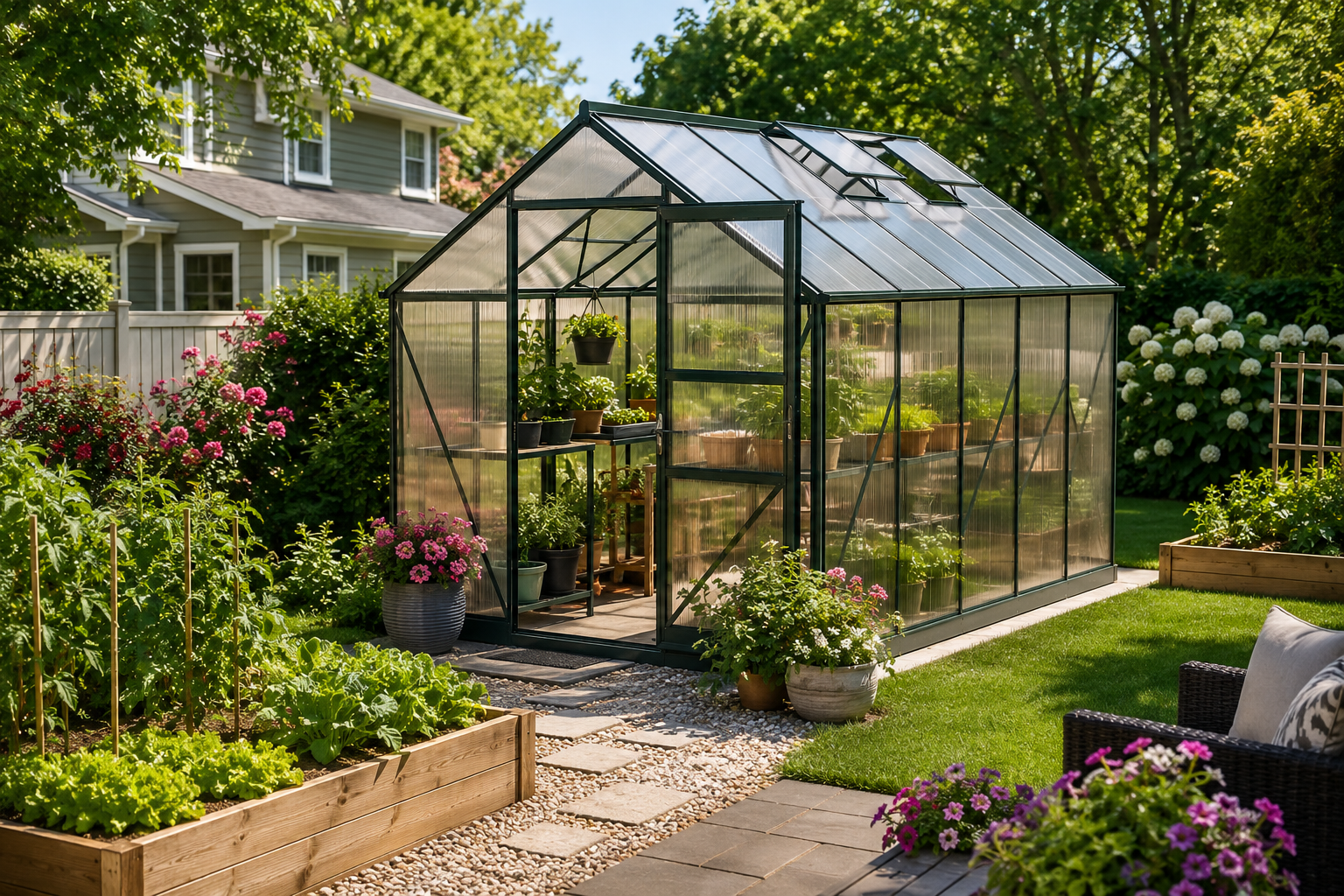
Growing your own vegetables, herbs, flowers, and seedlings is easier than ever with the right greenhouse. Whether you’re looking to extend your growing season, protect delicate plants from harsh weather, or enjoy gardening year-round, a greenhouse can become one of the most rewarding additions to your backyard.
Today’s greenhouses come in a variety of sizes, materials, and designs, making it possible for homeowners with almost any outdoor space to enjoy the benefits of controlled growing conditions. From compact hobby greenhouses to spacious walk-in models, choosing the right greenhouse depends on your available space, climate, and gardening goals.
This guide explains everything you need to know before buying a greenhouse so you can make a confident investment and enjoy healthier plants throughout the year.
Table of Contents
- Why Buy a Greenhouse?
- Types of Greenhouses
- Choosing the Right Size
- Best Greenhouse Materials
- Ventilation and Temperature Control
- Choosing the Best Location
- What Can You Grow?
- Maintenance Tips
- Frequently Asked Questions
- Final Thoughts
Why Buy a Greenhouse?
A greenhouse creates a protected growing environment that helps plants thrive regardless of changing outdoor conditions.
Benefits include:
- Longer growing seasons
- Protection from frost
- Better temperature control
- Healthier seedlings
- Reduced pest exposure
- More consistent plant growth
Whether you’re growing vegetables, herbs, flowers, or tropical plants, a greenhouse provides greater flexibility than traditional outdoor gardening.
Types of Greenhouses
Different greenhouse styles are designed for different gardening needs.
Walk-In Greenhouses
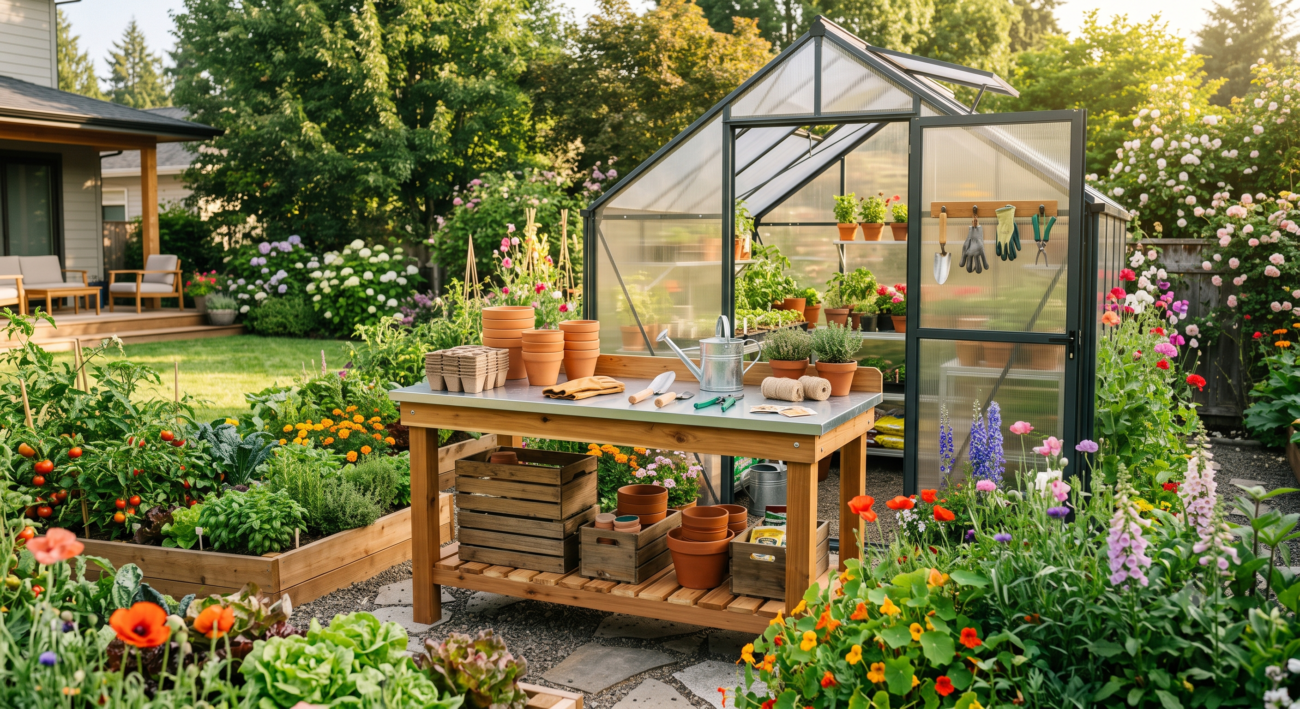
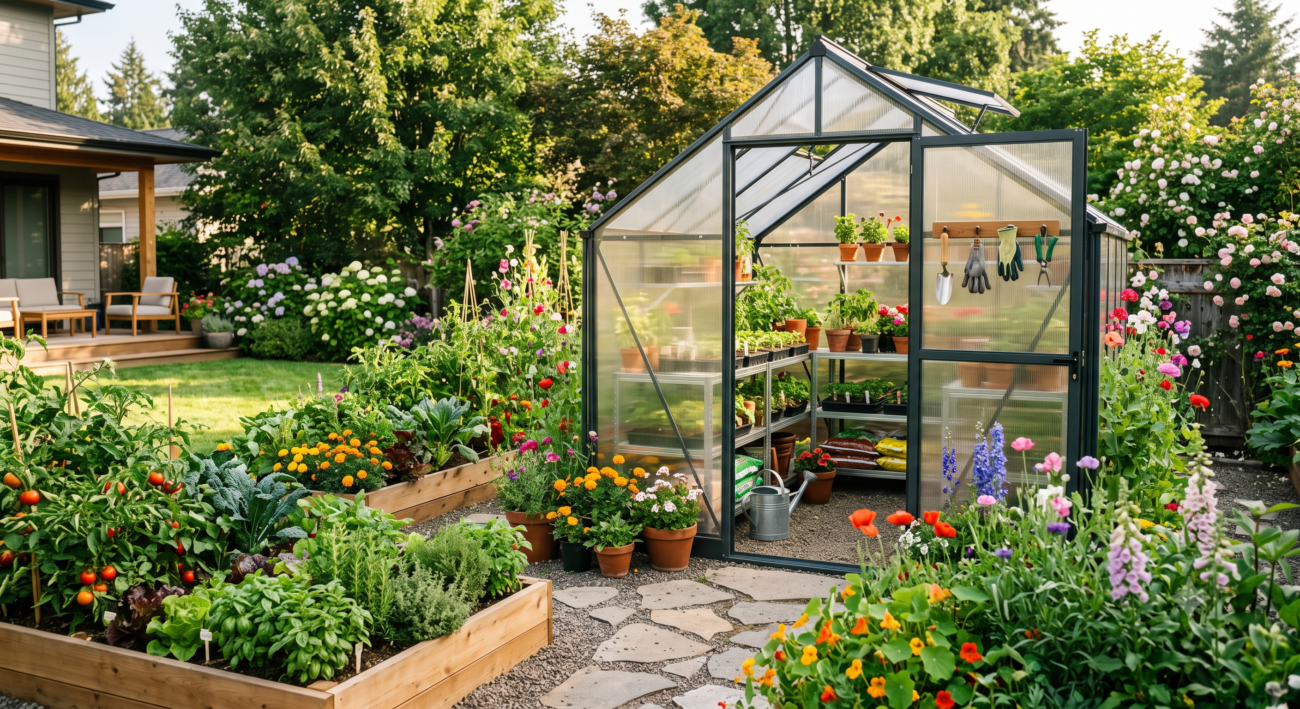
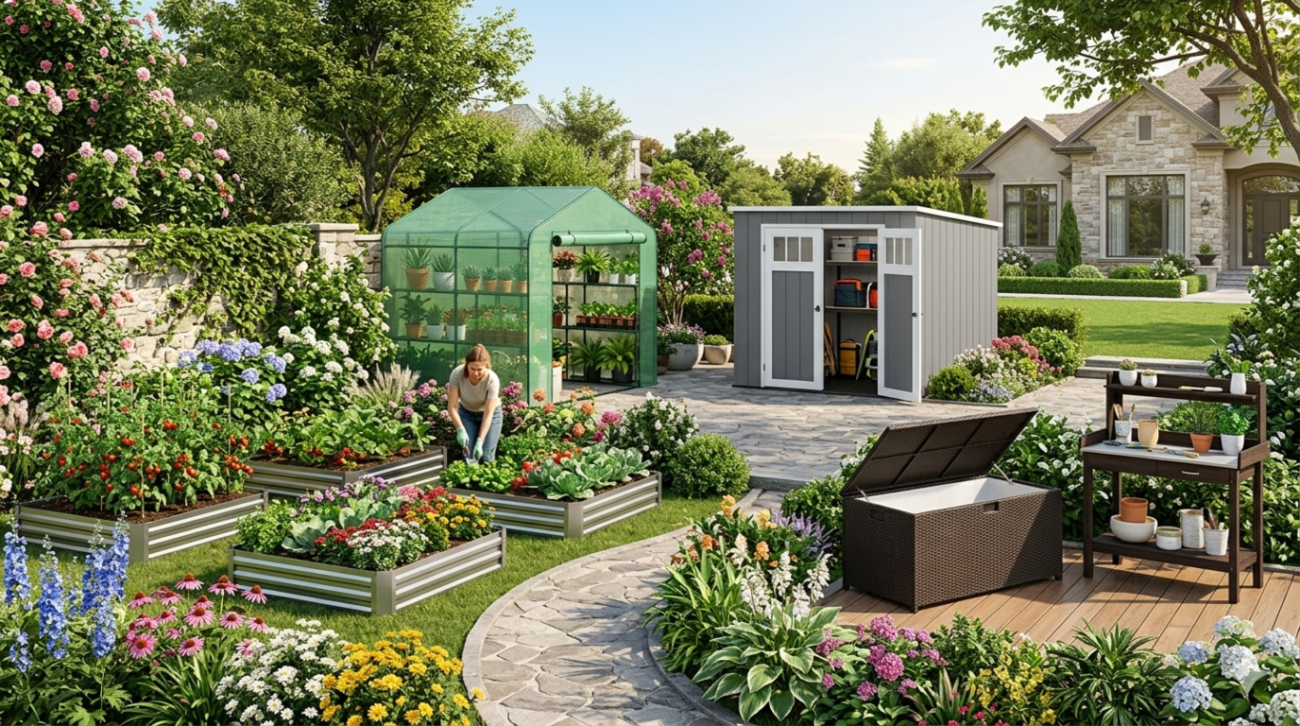
Walk-in greenhouses offer plenty of room to move around while growing a wide variety of plants. They’re ideal for serious gardeners who want space for shelving, raised planters, and larger crops.
Lean-To Greenhouses
Built against an existing wall or structure, lean-to greenhouses are excellent space-saving solutions for smaller yards.
Portable Greenhouses
Portable greenhouses are lightweight and easy to assemble, making them ideal for beginners or seasonal gardeners.
🌱 Gardening Tip
Think about the types of plants you want to grow over the next few years—not just this season. Buying a greenhouse with a little extra space now can save you from upgrading later.
Choosing the Right Size
Selecting the proper greenhouse size depends on your available yard space and gardening ambitions.
Small Greenhouses
Perfect for herbs, seedlings, and container plants.
Medium Greenhouses
Offer enough room for vegetables, flowers, shelving, and multiple planting trays.
Large Walk-In Greenhouses
Ideal for gardeners who want to grow a wide variety of fruits, vegetables, and flowering plants throughout the year.
When possible, choose the largest greenhouse your space and budget comfortably allow.
Best Greenhouse Materials
The frame and covering materials play a major role in durability and performance.
Aluminum Frames
Lightweight, rust-resistant, and low maintenance.
Steel Frames
Strong and durable, making them suitable for areas with heavier wind or snow loads.
Polycarbonate Panels
Excellent insulation while allowing plenty of sunlight to reach your plants.
Polyethylene Covers
Affordable and lightweight, making them popular for seasonal or portable greenhouses.
💡 EverPlay Tip
Twin-wall polycarbonate panels help retain heat better than single-layer coverings, making them a great choice for extending your growing season.
Ventilation and Temperature Control
Proper airflow is essential for healthy plant growth.
Look for greenhouses with:
- Roof vents
- Adjustable windows
- Wide-opening doors
- Optional exhaust fans
- Shade cloth compatibility
Good ventilation helps regulate temperature while reducing excess humidity that can lead to mold or plant disease.
Choosing the Best Location
Location has a significant impact on greenhouse performance.
For best results:
- Choose a level surface
- Maximize daily sunlight
- Avoid large trees that create heavy shade
- Ensure easy access to water
- Leave room around the greenhouse for maintenance
Most vegetables perform best with six to eight hours of direct sunlight each day.
What Can You Grow?
Greenhouses support an impressive variety of plants.
Popular choices include:
- Tomatoes
- Peppers
- Cucumbers
- Lettuce
- Herbs
- Strawberries
- Seedlings
- Orchids
- Succulents
- Tropical plants
Many gardeners also use greenhouses to start seedlings before transplanting them outdoors in spring.
⚠ Before You Buy
Check local building codes or HOA guidelines before installing a permanent greenhouse, especially if it will remain in place year-round.
Maintenance Tips
Keeping your greenhouse clean and well-maintained helps create a healthier growing environment.
Routine maintenance includes:
- Cleaning panels regularly
- Checking doors and vents
- Inspecting the frame for loose hardware
- Removing dead plant material
- Monitoring humidity levels
- Organizing shelving and growing areas
Regular maintenance improves airflow while reducing the risk of pests and plant disease.
Frequently Asked Questions
What size greenhouse should I buy?
Choose the largest greenhouse that comfortably fits your available space and budget. Most gardeners quickly discover they can use more growing space than they originally expected.
Is a greenhouse worth it?
For homeowners who enjoy gardening, a greenhouse can extend the growing season, protect plants from weather, and provide greater control over growing conditions.
Do greenhouses need direct sunlight?
Yes. Most greenhouses perform best when placed where they receive six to eight hours of direct sunlight each day.
Can I use a greenhouse during winter?
Many greenhouses can be used throughout the colder months, especially when paired with proper insulation or supplemental heating.
What is the best greenhouse material?
Polycarbonate panels are popular because they combine durability, insulation, and excellent light transmission.
Final Thoughts
A greenhouse opens the door to longer growing seasons, healthier plants, and greater gardening success. Whether you’re starting vegetable seedlings in early spring, growing fresh herbs year-round, or creating the perfect environment for flowers and tropical plants, the right greenhouse can transform your gardening experience.
By selecting the proper size, choosing durable materials, and placing your greenhouse in a sunny location, you’ll create a productive growing space that can provide years of enjoyment and abundant harvests.
Related Articles
- Raised Garden Beds vs. In-Ground Gardening: Which Is Better?
- Top 7 Backyard Upgrades That Add Value to Your Home
- The Ultimate Pergola Buying Guide: Everything You Need to Know Before You Buy
Related Categories
- Greenhouses
- Raised Garden Beds
- Garden Planters
- Outdoor Storage
- Gardening Accessories