

























Raised Garden Bed Gardening for Beginners: Everything You Need to Know

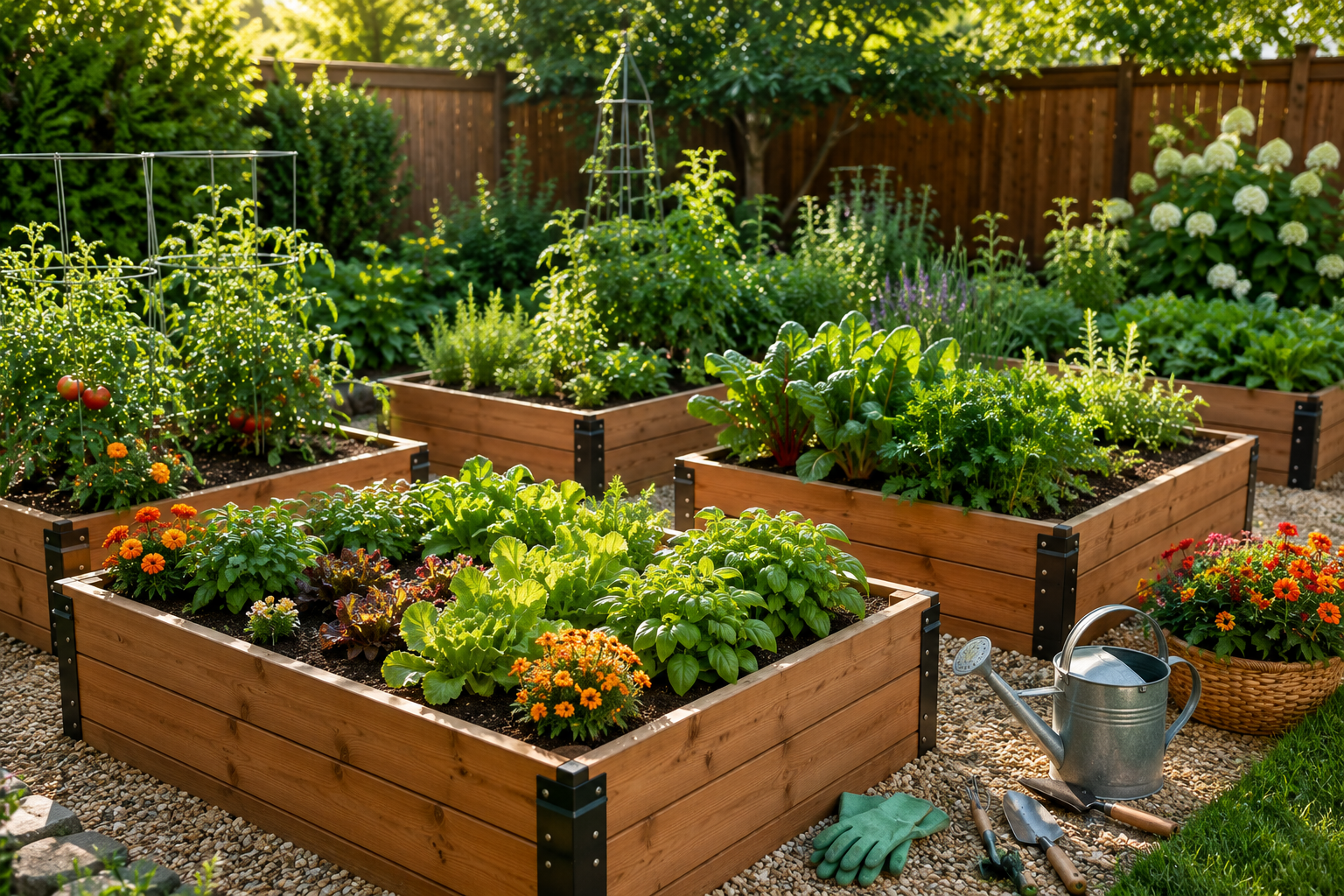
Starting a garden is one of the most rewarding ways to spend time outdoors. Whether you’re growing fresh vegetables for your kitchen, fragrant herbs for cooking, or colorful flowers to brighten your backyard, raised garden beds make gardening easier, cleaner, and more productive.
Unlike traditional in-ground gardens, raised beds give you greater control over soil quality, drainage, and plant spacing while reducing weeds and making routine maintenance more comfortable.
If you’ve always wanted to start a garden but weren’t sure where to begin, this guide will walk you through the essentials of planning, planting, and maintaining a successful raised garden bed.
Table of Contents
- Why Choose Raised Garden Beds?
- Selecting the Perfect Location
- Choosing the Right Soil
- What Should You Plant?
- Watering and Maintenance
- 💡 EverPlay Tips
- 🎨 Garden Design Ideas
- 🛒 Before You Buy
- ⭐ EverPlay Recommendation
- Common Mistakes to Avoid
- Frequently Asked Questions
- Final Thoughts
Why Choose Raised Garden Beds?
Raised garden beds have become increasingly popular because they simplify many of the challenges associated with traditional gardening.
Benefits include:
- Better soil drainage
- Improved soil quality
- Fewer weeds
- Easier maintenance
- Reduced soil compaction
- Better pest management
- More organized garden layout
They’re also easier on your back and knees, making gardening more enjoyable for beginners and experienced gardeners alike.
Selecting the Perfect Location
The success of your garden starts with choosing the right location.
Most vegetables, herbs, and flowering plants require at least six to eight hours of direct sunlight each day. Observe how sunlight moves across your yard before deciding where to place your raised beds.
Choose an area that:
- Receives plenty of sunlight
- Has good drainage
- Is close to a water source
- Offers easy access for maintenance
- Has enough space to walk comfortably around the beds
Avoid placing garden beds beneath large trees where roots compete for moisture and nutrients.
💡 EverPlay Tip
Before assembling your raised bed, place it in the desired location for a day or two. This allows you to observe sunlight patterns and make adjustments before filling it with soil.
Choosing the Right Soil
One of the biggest advantages of raised beds is complete control over your growing medium.
Instead of relying on existing backyard soil, fill your beds with a nutrient-rich mix designed for healthy plant growth.
A common blend includes:
- High-quality garden soil
- Compost
- Organic matter
- Peat moss or coconut coir
- Perlite or vermiculite for improved drainage
Healthy soil is the foundation of a productive garden.
Adding fresh compost each season replenishes nutrients and helps plants thrive year after year.
What Should You Plant?
Raised beds are incredibly versatile.
Popular choices include:
Vegetables
- Tomatoes
- Peppers
- Cucumbers
- Lettuce
- Carrots
- Green beans
Herbs
- Basil
- Rosemary
- Parsley
- Thyme
- Mint
- Chives
Flowers
- Marigolds
- Zinnias
- Lavender
- Coneflowers
- Petunias
Companion planting vegetables, herbs, and flowers together can improve pollination while helping discourage certain garden pests.
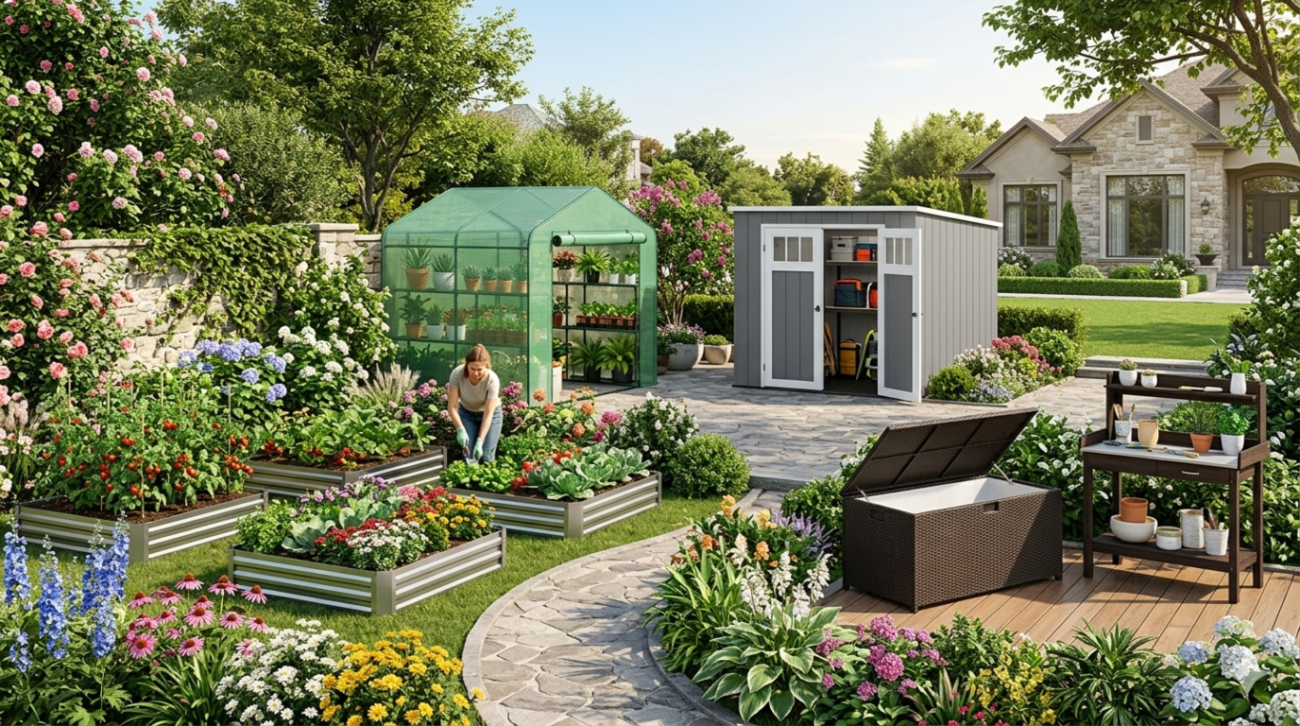
🎨 Garden Design Ideas
Kitchen Garden
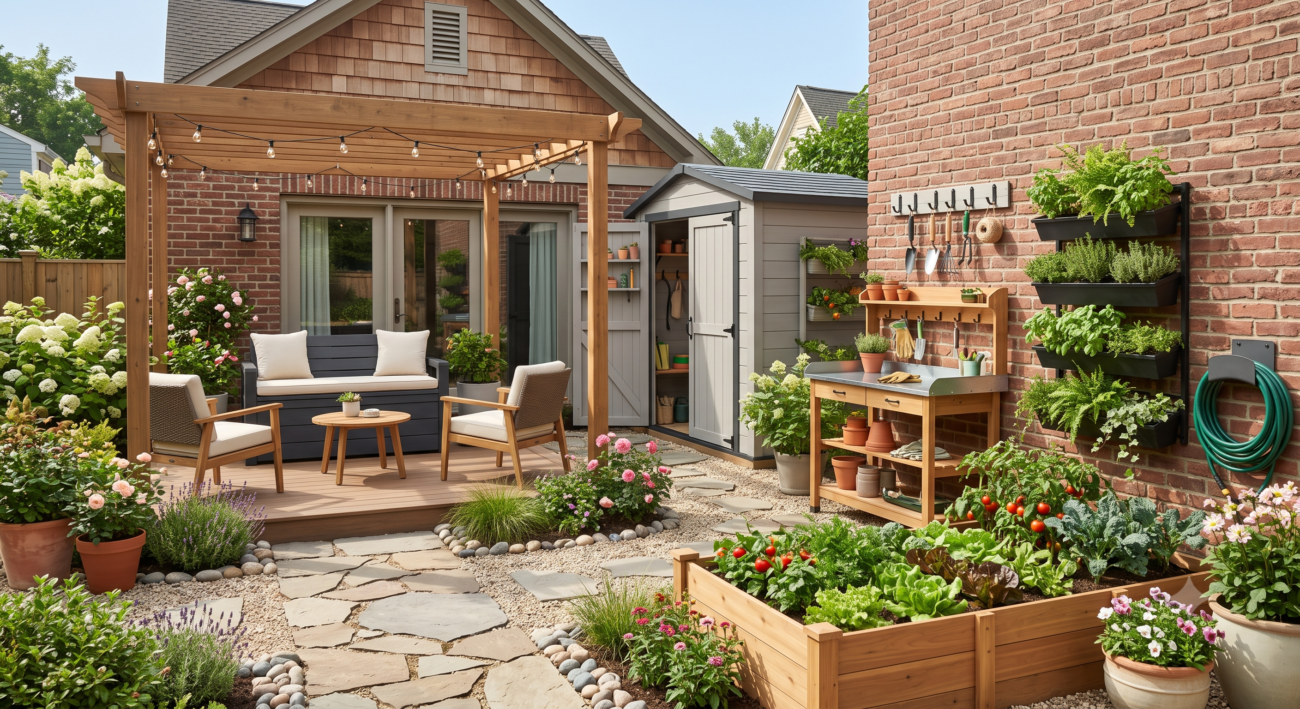
Grow tomatoes, peppers, herbs, and leafy greens together in neatly arranged raised beds close to your patio for easy harvesting.
Pollinator Garden
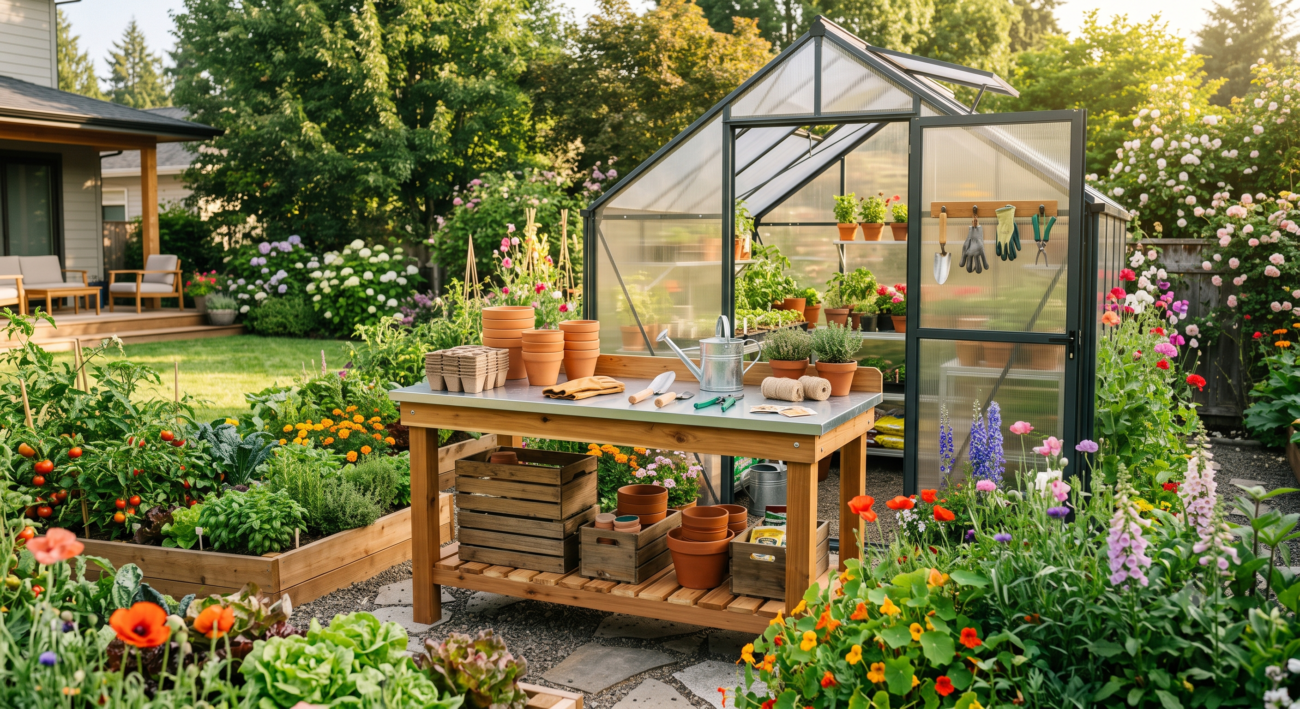
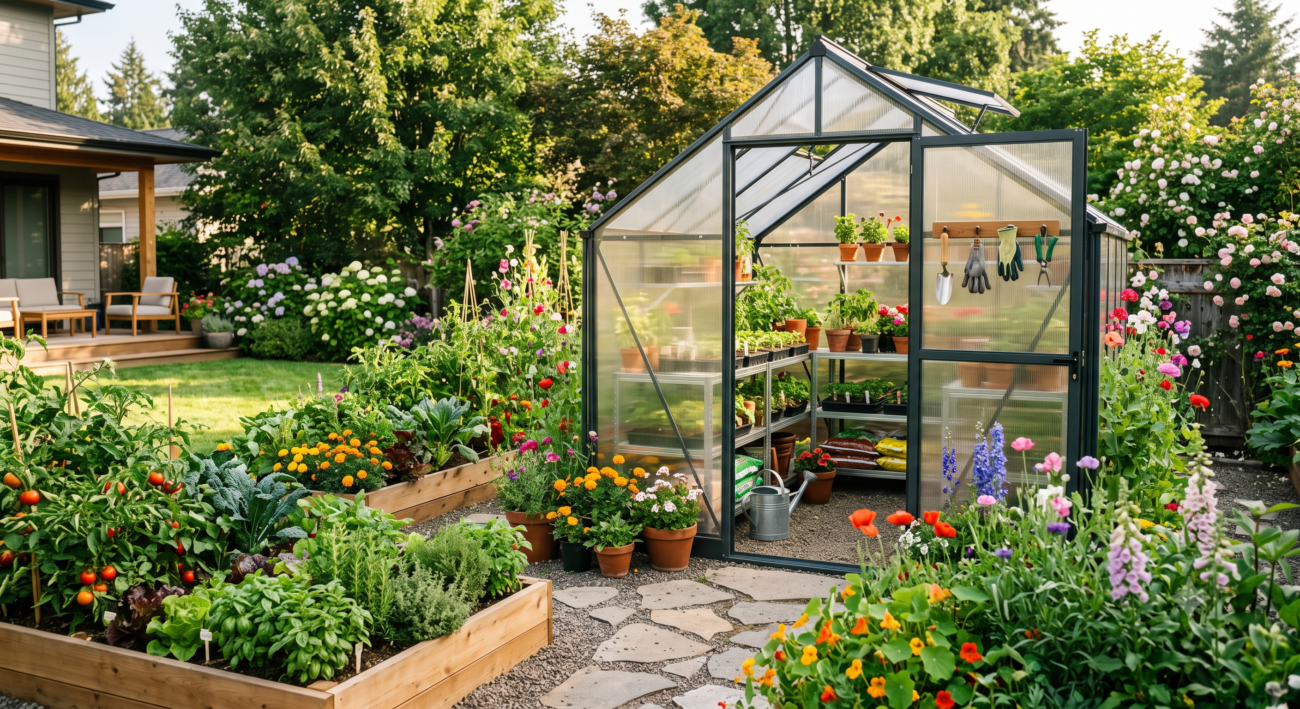
Mix colorful flowering plants with herbs to attract bees, butterflies, and other beneficial pollinators.
Modern Backyard Garden
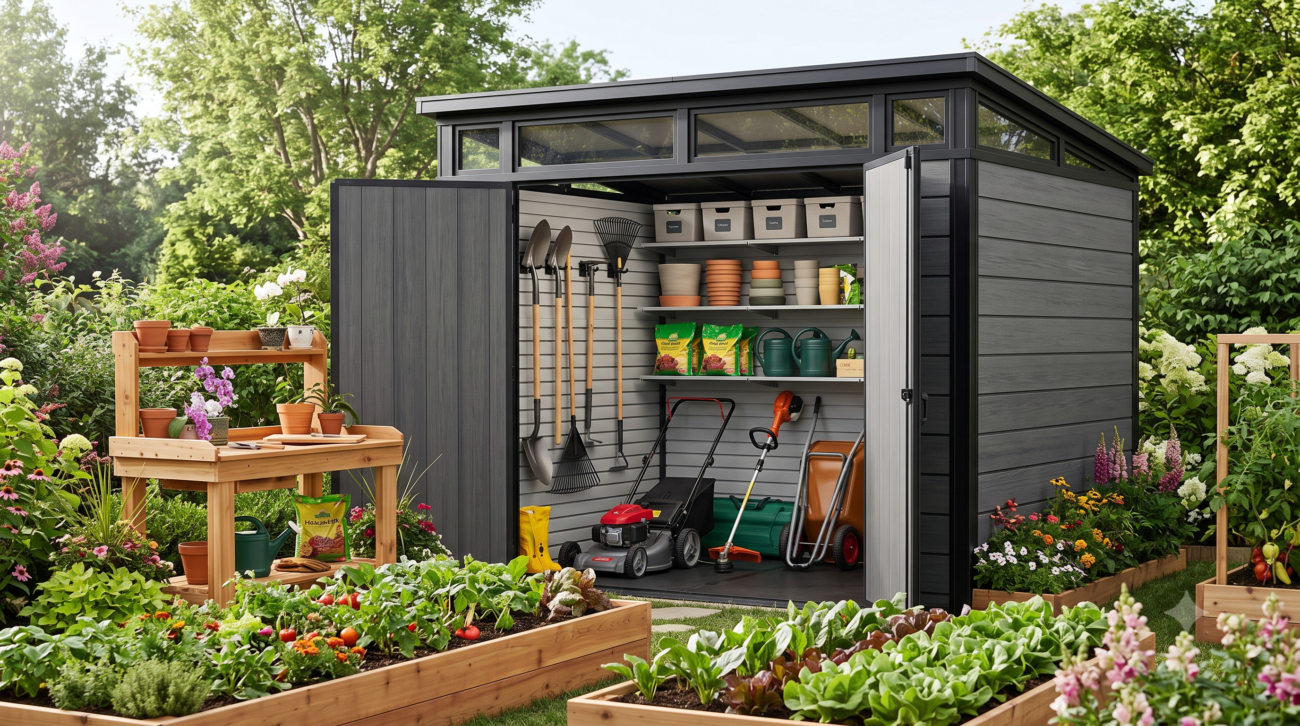
Install multiple cedar raised beds in symmetrical rows with gravel pathways between them for a clean, organized appearance.
Family Garden
Dedicate individual sections to vegetables, flowers, and herbs so children can help plant, water, and harvest throughout the season.
Watering and Maintenance
Consistent watering is one of the most important aspects of successful gardening.
Rather than watering every day, water deeply when the top inch of soil feels dry. Deep watering encourages stronger root systems and healthier plants.
Additional maintenance includes:
- Pulling weeds regularly
- Adding mulch to retain moisture
- Fertilizing as needed
- Pruning damaged leaves
- Monitoring for pests
Spending just a few minutes each day in your garden helps catch small problems before they become larger ones.
💡 EverPlay Tip
Adding a layer of mulch around your plants helps retain moisture, suppress weeds, and regulate soil temperature during the hottest months of summer.
🛒 Before You Buy
Before purchasing a raised garden bed, ask yourself:
✔ How much growing space do I need?
✔ Will the bed receive enough sunlight?
✔ Is cedar, galvanized steel, or composite material the best choice for my climate?
✔ Do I have easy access to water?
✔ What plants do I plan to grow first?
✔ Will I want to expand my garden in the future?
⭐ EverPlay Recommendation
For most beginner gardeners, a cedar raised garden bed offers the perfect balance of durability, natural beauty, and ease of use. Pair it with quality soil, compost, and a simple watering routine, and you’ll be well on your way to enjoying fresh vegetables, herbs, and flowers throughout the growing season.
Common Mistakes to Avoid
Avoid these common beginner mistakes:
- Choosing a shady location
- Overwatering plants
- Planting vegetables too close together
- Using poor-quality soil
- Forgetting to mulch
- Ignoring plant spacing recommendations
A little planning goes a long way toward creating a healthy, productive garden.
Frequently Asked Questions
What is the best material for a raised garden bed?
Cedar is a popular choice because it’s naturally resistant to rot and insects while offering an attractive appearance. Galvanized steel is another durable, low-maintenance option.
How deep should a raised garden bed be?
Most vegetables grow well in beds that are at least 10 to 12 inches deep, though root vegetables may benefit from additional depth.
Can I place a raised bed on grass?
Yes. Many homeowners install raised beds directly over grass after placing cardboard or landscape fabric underneath to suppress weeds.
How often should I water?
Water when the top inch of soil begins to dry. The frequency depends on weather conditions, soil type, and the plants you’re growing.
Can beginners be successful with raised beds?
Absolutely. Raised beds simplify many aspects of gardening, making them one of the easiest ways for beginners to grow healthy plants.
Final Thoughts
Raised garden beds make gardening more accessible, more organized, and more enjoyable for gardeners of all experience levels. By choosing the right location, using quality soil, and providing consistent care, you’ll create a productive garden that rewards you with fresh vegetables, fragrant herbs, and beautiful flowers throughout the season.
Whether you’re planting your very first tomato or expanding an existing garden, a raised bed provides the perfect foundation for years of successful gardening.
Related Categories
- Raised Garden Beds
- Greenhouses
- Potting Benches
- Garden Tools & Accessories
- Storage Sheds
- Deck Boxes
Related Articles
- Outdoor Storage Shed Buying Guide: Resin vs. Metal vs. Wood
- How to Choose the Best Deck Box for Your Patio
- Top 7 Backyard Upgrades That Add Value to Your Home
- Backyard Shade Ideas: Pergolas, Gazebos, Umbrellas & Canopies
- How to Choose the Perfect Outdoor Patio Furniture for Your Space
🌿 EverPlay Inspiration
Imagine stepping into your backyard on a warm spring morning, harvesting crisp lettuce, fragrant basil, and ripe tomatoes just moments before they reach your plate. A thoughtfully planned raised garden bed doesn’t just grow fresh produce—it creates a peaceful space to connect with nature, spend time with family, and enjoy the satisfaction of growing something with your own hands.