

















Raised Garden Beds vs. In-Ground Gardening: Which Is Better?

Growing your own vegetables, herbs, and flowers is one of the most rewarding ways to enjoy your backyard. Whether you’re planting your first tomato or expanding an established garden, one of the biggest decisions you’ll make is whether to use a raised garden bed or plant directly in the ground.
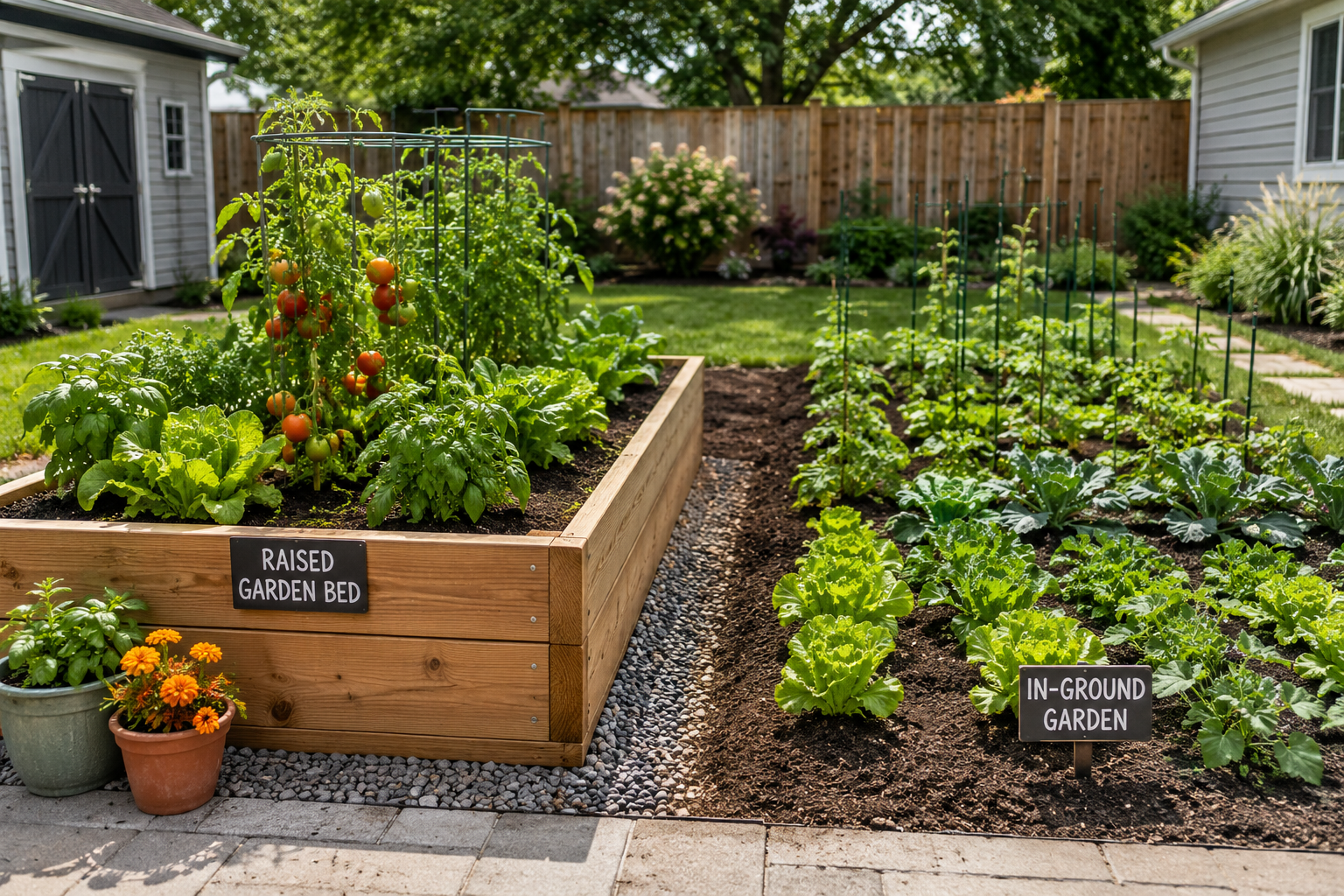
Both gardening methods have unique advantages. Raised garden beds offer improved drainage, better soil control, and easier maintenance, while traditional in-ground gardens provide more growing space at a lower upfront cost.
This guide compares raised garden beds and in-ground gardening to help you choose the best option based on your space, budget, and gardening goals.
Table of Contents
- What Is a Raised Garden Bed?
- What Is In-Ground Gardening?
- Comparing the Benefits
- Which Option Is Best for Beginners?
- Soil Quality and Drainage
- Maintenance and Accessibility
- Cost Comparison
- What Can You Grow?
- Frequently Asked Questions
- Final Thoughts
What Is a Raised Garden Bed?
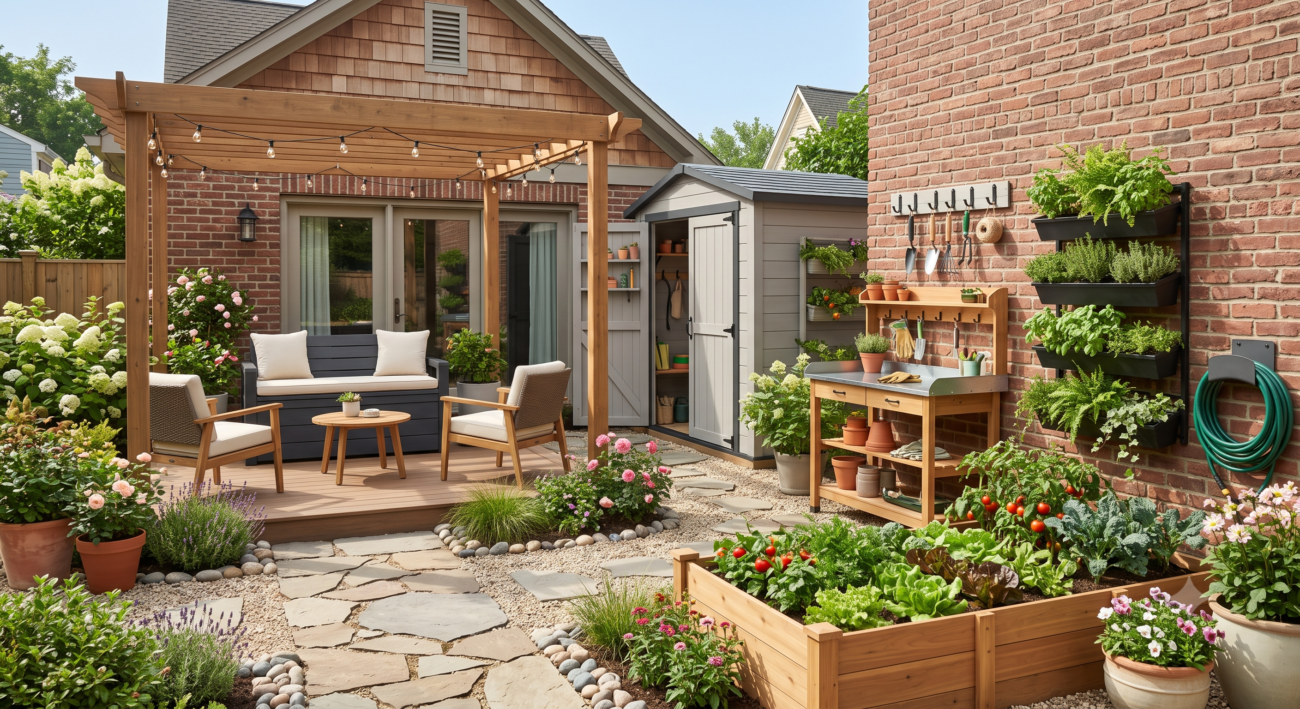
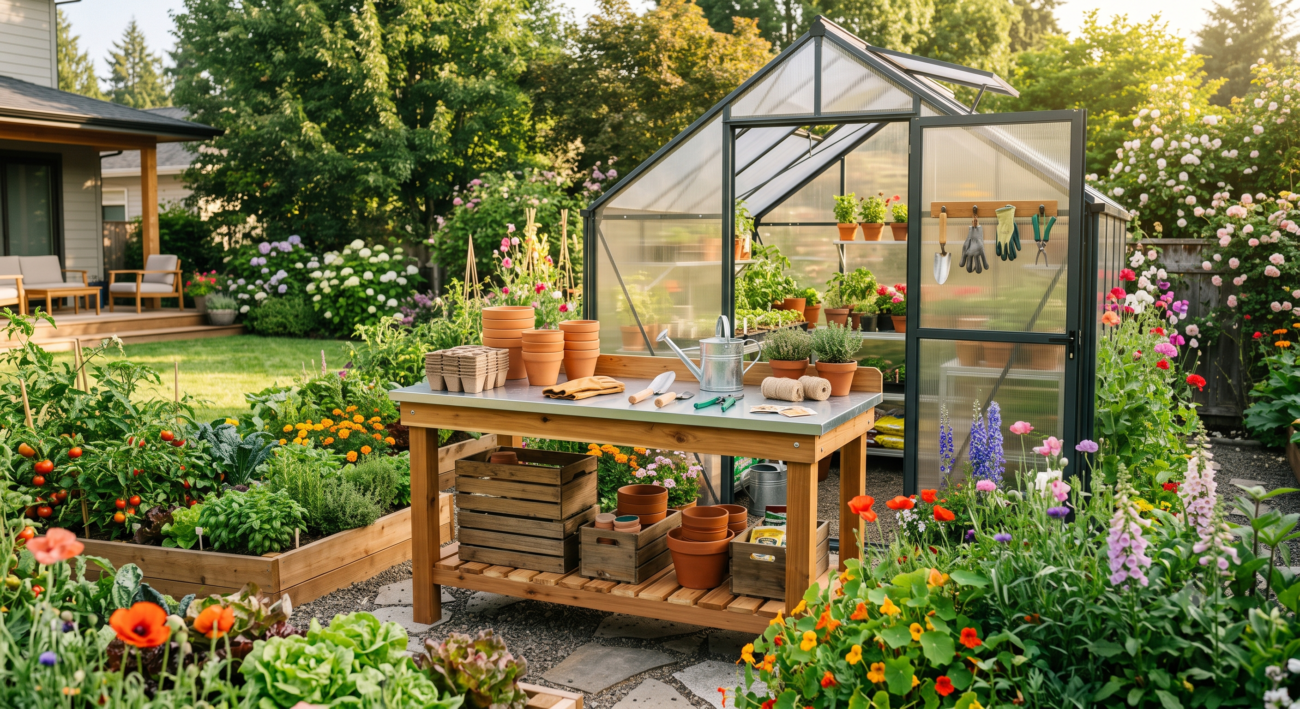
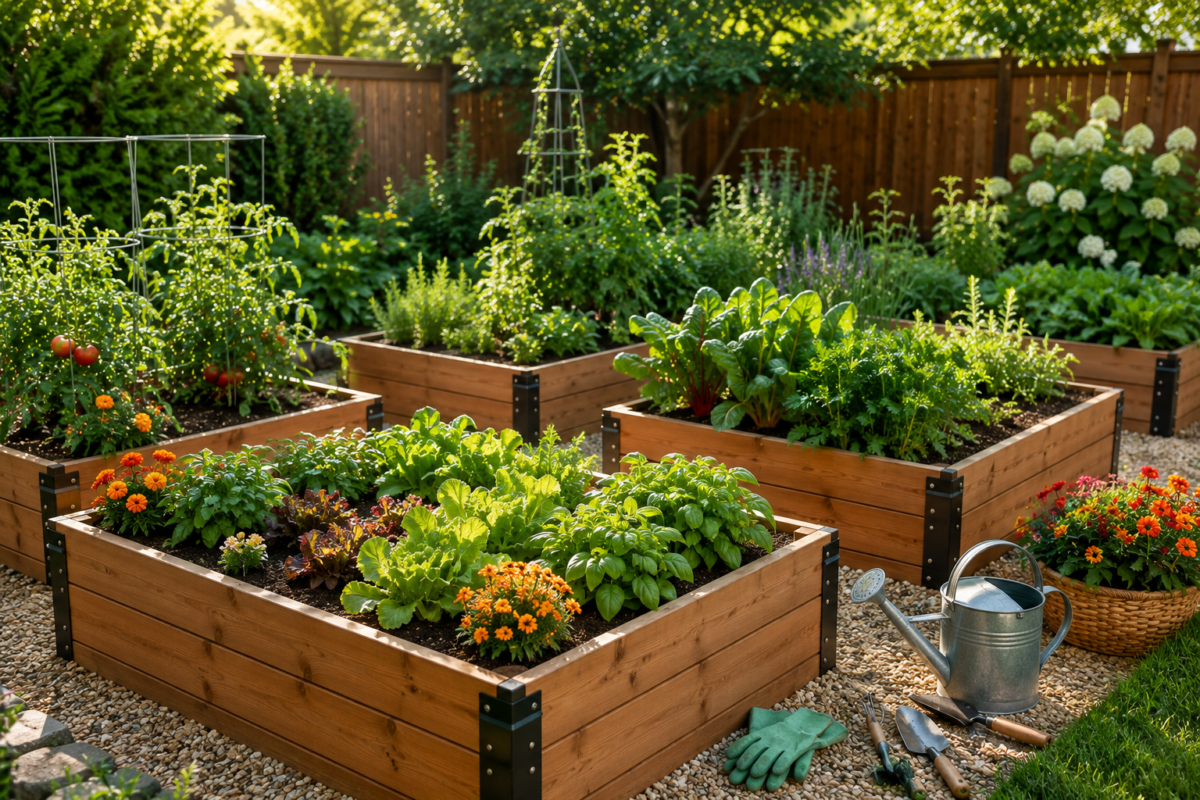
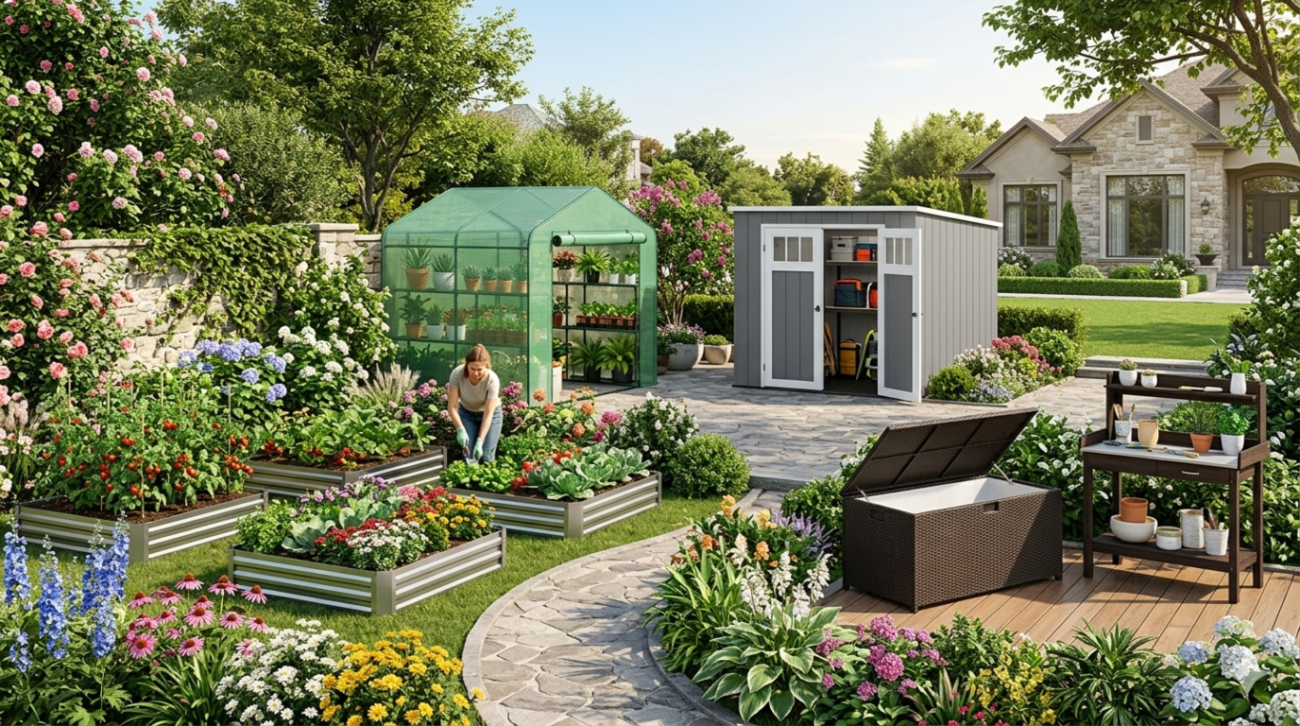
A raised garden bed is an elevated planting area enclosed by a frame, typically made from wood, metal, or composite materials. Rather than planting directly into your yard, the bed is filled with quality soil designed specifically for healthy plant growth.
Raised beds are popular for growing vegetables, herbs, flowers, and small fruits while providing better control over soil conditions.
Common benefits include:
- Better drainage
- Improved soil quality
- Fewer weeds
- Easier harvesting
- Cleaner growing conditions
- More organized garden layouts
What Is In-Ground Gardening?
In-ground gardening involves planting directly into your existing soil. It’s the traditional gardening method used for everything from vegetable gardens to flower beds.
With proper soil preparation, in-ground gardens can produce excellent results while offering more flexibility for larger planting areas.
They work especially well for gardeners with healthy native soil and plenty of available yard space.
Comparing the Benefits
Raised Garden Beds
Advantages:
- Excellent drainage
- Greater control over soil quality
- Warms up faster in spring
- Easier on your back and knees
- Better protection from soil compaction
- Creates a neat, organized appearance
Possible drawbacks:
- Higher initial investment
- Requires purchasing soil
- Limited growing space per bed
In-Ground Gardens
Advantages:
- Lower startup cost
- Ideal for larger gardens
- No bed construction required
- Better for large crops like pumpkins and corn
Possible drawbacks:
- More weeds
- Soil quality may require improvement
- Can become compacted over time
- Harder on the back during planting and harvesting
💡 EverPlay Tip
If your yard has poor soil or drainage issues, a raised garden bed often provides a faster path to a healthy, productive garden than trying to improve the existing soil.
Which Option Is Best for Beginners?
For many first-time gardeners, raised garden beds are easier to manage.
Because you control the soil, watering, and planting area, it’s often simpler to learn basic gardening techniques without dealing with poor native soil or excessive weeds.
Gardeners with limited mobility also appreciate the higher working height, which reduces bending and kneeling.
If you have a large backyard and enjoy larger gardening projects, an in-ground garden can still be an excellent choice.
Soil Quality and Drainage
Healthy soil is one of the biggest factors in gardening success.
Raised beds allow you to start with a premium soil mix that provides excellent drainage while supplying nutrients for healthy plant growth.
In-ground gardens depend on the quality of your existing soil. Some yards naturally have rich, well-draining soil, while others may require compost, topsoil, or soil amendments before planting.
🌱 Gardening Tip
Most vegetables perform best in soil that drains well while retaining enough moisture to support healthy root development.
Maintenance and Accessibility
Raised beds generally require less ongoing maintenance.
Because the planting area is clearly defined, weeds are easier to manage and soil stays loose without heavy foot traffic.
In-ground gardens often require more frequent weeding, tilling, and soil improvement over time.
For gardeners who want a lower-maintenance solution, raised beds can save considerable effort throughout the growing season.
Cost Comparison
In-ground gardens have a lower initial cost since no raised structure is required.
Raised beds require purchasing the frame along with soil and planting mix.
However, many homeowners find the investment worthwhile because raised beds often provide:
- Better growing conditions
- Improved organization
- Reduced maintenance
- Longer growing seasons in many climates
Over time, these benefits can outweigh the higher upfront cost.
⚠ Before You Buy
Think about how your garden may grow over the next few years. Many gardeners begin with one raised bed and later expand to several as they gain experience.
What Can You Grow?
Both gardening methods can successfully grow a wide variety of plants.
Excellent choices include:
- Tomatoes
- Peppers
- Cucumbers
- Lettuce
- Spinach
- Herbs
- Carrots
- Radishes
- Strawberries
- Flowers
Larger crops such as pumpkins, squash, and corn often perform better in spacious in-ground gardens, while herbs, leafy greens, and many vegetables thrive in raised beds.
Frequently Asked Questions
Do raised garden beds produce more vegetables?
Healthy soil and improved drainage often help raised beds produce strong harvests, though success ultimately depends on proper watering, sunlight, and plant care.
How deep should a raised garden bed be?
Most vegetables grow well in beds that are 10 to 18 inches deep, while root vegetables may benefit from additional depth.
Are raised beds worth the extra cost?
Many gardeners feel the improved drainage, soil control, and easier maintenance make raised beds a worthwhile long-term investment.
Can I use my existing soil in a raised bed?
You can, but mixing it with compost and quality garden soil often produces better results.
Which garden type requires less maintenance?
Raised garden beds generally require less weeding and are easier to maintain throughout the growing season.
Final Thoughts
Both raised garden beds and traditional in-ground gardens can produce healthy, productive harvests. The best choice depends on your available space, soil conditions, budget, and gardening goals.
If you’re looking for better soil control, improved drainage, and easier maintenance, raised garden beds are an excellent option. If you have plenty of space and naturally healthy soil, in-ground gardening remains a practical and cost-effective solution.
No matter which method you choose, thoughtful planning and regular care will help you create a thriving backyard garden that provides fresh produce and enjoyment for years to come.
Related Articles
- The Ultimate Pergola Buying Guide: Everything You Need to Know Before You Buy
- How to Choose the Perfect Outdoor Patio Furniture for Your Space
- Top 7 Backyard Upgrades That Add Value to Your Home
Related Categories
- Raised Garden Beds
- Garden Planters
- Greenhouses
- Outdoor Storage
- Gardening Accessories